In the vibrant heart of Kansas City, Missouri, a vital part of history has been captured by the nonprofit {B/qKC} through its participation in TechSoup’s Cultural Memory Lab project.
The Cultural Memory Lab is an innovative cohort-model project that’s been purposely designed to help nonprofits implement complex technologies like the decentralized web (DWeb) while also becoming sovereign owners and custodians of digitized memories and history.
Through a combination of deep learning, interactive sessions with experts, and engagement with other nonprofits experiencing the same challenges, participants in this cohort achieved 100 percent success in implementing decentralized frontier technologies.
As a nonprofit cohort incubator program, the Cultural Memory Lab — led by TechSoup in collaboration with Gray Area and supported by the Filecoin Foundation for the Decentralized Web — empowers community-based archives, libraries, museums, and other cultural organizations to explore opportunities for decentralized preservation of collective memories.
Introducing {B/qKC} and Its Goal to Leave a Legacy of Documented Black Queer Memories
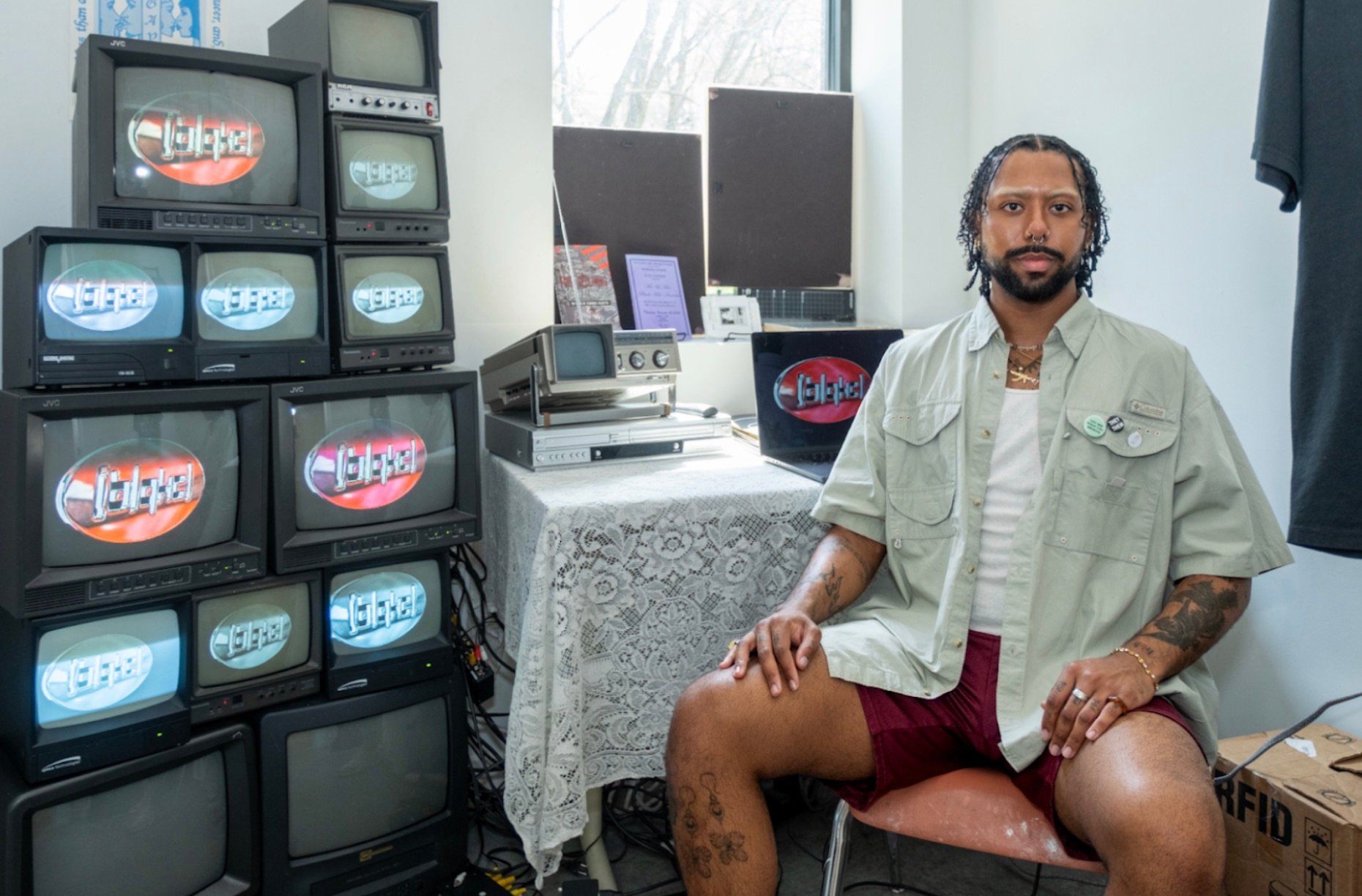
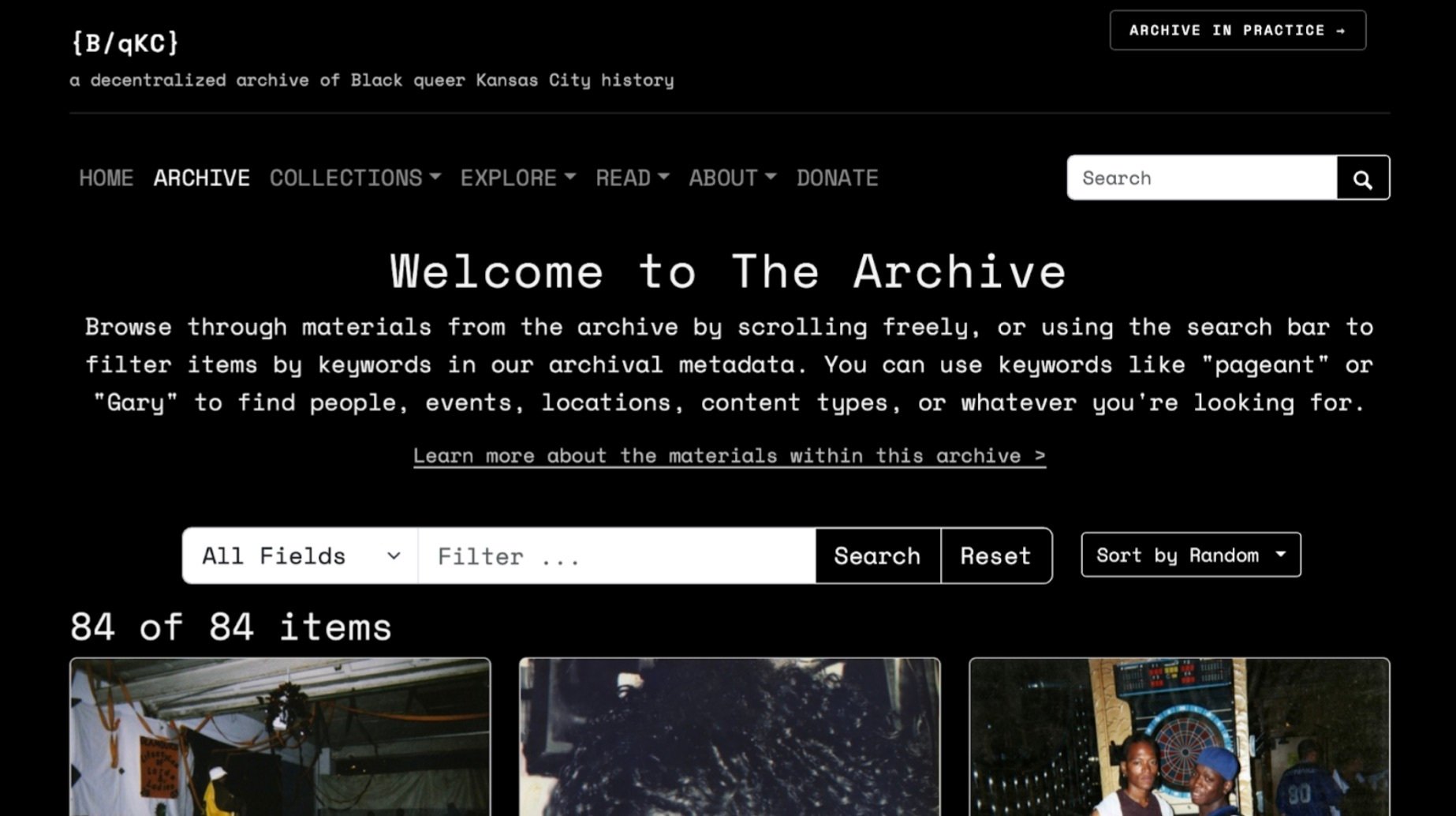
{B/qKC} is a community archival project that’s dedicated to documenting the unique history of Kansas City’s Black queer community so that their legacy is preserved for future generations.
“Kansas City is home to a legacy of ballroom and pageant culture that helped Black LGBTQIA2S+ people all over the state find their chosen family and feel free to be themselves, and inspire a generation of Black queer elders who paved the way for that culture to continue to exist today,” says Nasir Anthony Montalvo, {B/qKC}’s founder.
{B/qKC} was founded to document this legacy and to empower this community to “be the stewards of our own stories,” adds Nasir.
The Challenge: Data Storage That Transcends Traditional Servers
For nonprofits like {B/qKC}, the challenge with digital archiving isn't just about finding storage and servers — it’s also about the sovereignty and long-term accessibility of the data.
In addition, traditional cloud server options can leave small nonprofits vulnerable to rising data storage costs, where a missed monthly payment could result in data (and the history that data represents) being erased and lost forever. Traditional servers can also change their policies and censor data, which can result in data being removed or erased. By comparison, the DWeb helps ensure control and ownership of data.
However, the DWeb can be complex, which can make it seem out of reach for many grassroots organizations. The Cultural Memory Lab proved that with the right model of technology training and expert support, civil society organizations can lead the charge in adopting these tools.
The Solution: An Innovative Cohort-Powered Learning Model
To ensure that the stories and histories being captured by {B/qKC} remained owned by the community they represent, the DWeb provided an opportunity to radically transform ownership of this community history while simultaneously cementing permanent accessibility of the archives into the future.
This localized, decentralized infrastructure was created using a Raspberry Pi (a small, affordable computer that can act as a web server) along with the InterPlanetary File System (IPFS) for resilient file storage and CollectionBuilder (an open-source framework for creating digital collection websites). This enabled {B/qKC} to own both the hardware and the decentralized network so that the data can remain resilient.
Adopting and implementing DWeb technologies can be complex, which is why {B/qKC} was keen to participate in this cohort where it could access training and hands-on support. This innovative deep-learning model represents a shift in how civil society adopts technology. Not only did this cohort project empower nonprofit leaders like Nasir to become architects of their own tech stacks, it also created a space for organizations to troubleshoot and discuss shared hurdles together with peers and supportive tech experts.
“Through the Cultural Memory Lab and learning these three decentralized web technologies, I was able to create a new digital tech stack for the archives and completely revamp the ways I had been storing the archive before,” said Nasir.
Beyond Sustainability: Innovating for the Future
“Because of the Cultural Memory Lab, the archive and I now have the tools, technology, and know-how to remain true to our mission — which is to be the stewards of our own stories,” Nasir said when asked about the impact of participating in this project.
The Lab has also resulted in long-term sustainability and innovation: participating organizations like {B/qKC} have gone beyond the initial scope of the project by continuing to document and translate new technical skills their community can use.
The Cultural Memory Lab was designed to leave a legacy: By documenting the entire cohort experience, it’s created a blueprint for the future of digital stewardship for organizations like {B/qKC} that aim to curate digital histories that are community-owned.
Through an open-source, documented process that's freely available online via GitHub, the Cultural Memory Lab makes it possible for any nonprofit in the GLAM sector (galleries, libraries, archives, and museums) to learn how to ensure that memories are securely and sustainably stored for the benefit of present and future generations.
This innovative model of community-hosted infrastructure being created by Lab participants, demonstrates how TechSoup and partners are helping nonprofits move beyond being mere users of technology to becoming sovereign stewards of their own digital legacies. This is helping to pioneer decentralized memory-keeping efforts, ensuring that the history of marginalized communities is protected by the very people who create it.
Importantly, as Nasir explains:
“Communities like mine are under-studied and under-resourced, and so it makes it that much more important that we have a seat at the table and are at the forefront of determining the future of decentralized web technology. Not only does having a seat at the table ensure our communities aren't left out in the future of decentralized web technology, it also ensures that the future of the DWeb is inclusive of everyone and makes our historical record beyond just Black LGBT history that much stronger.”
TechSoup’s Unique Cohort Implementation Model
“At Filecoin Foundation for the Decentralized Web, we collaborate with partners like TechSoup because we believe meaningful adoption of emerging technology requires more than access to tools.
“Successful adoption and innovation occur when trusted organizations prioritize listening and create supportive conditions that invite learning, experimentation, and implementation.
“The Cultural Memory Lab demonstrates the impact of pairing community-centered facilitation with decentralized infrastructure and resources. This approach enables organizations like {B/qKC} to preserve cultural histories in ways that are resilient, locally stewarded, and aligned with community ownership.”
—Kaitlin Donovan
Senior Program Manager, Funding Operations and Impact
Filecoin Foundation and Filecoin Foundation for the Decentralized Web
As TechSoup continues to pioneer new learning models like the Cultural Memory Lab, we invite visionary partners and sponsors to join us in ensuring that the digital divide doesn't leave our diverse cultural histories behind.
Our new cohort models provide a pathway for nonprofits to move from learning about how to implement technologies to actually being able to do so with peer-to-peer and expert support.
Traditionally, nonprofits learn about tech adoption by attending webinars and online courses, which have limited impact on the implementation of technologies — particularly frontier technologies that may be complex to learn and apply.
TechSoup’s own experience with projects starkly demonstrates the challenge. Our initial DWeb project provided explainers, technical guides, webinars, and use cases to encourage nonprofits to adopt DWeb, but despite over 4,000 participants, there were no documented technical implementations. So for our next DWeb project, the Cultural Memory Lab, TechSoup’s Maker Labs pivoted to an implementation-focused cohort that successfully supported all four participants to successfully adopt decentralized storage and incorporate it into their day-to-day mission delivery.
Our new cohort models are built to be immersive, engaging, and deeply supportive, helping nonprofits move from ideation to implementation and then extending their knowledge and skills beyond the scope of the cohort.
Resources
- The Cultural Memory Lab
- {B/qKC} website
- Accelerating Makers blog: Preserving Memory on the Decentralized Web: Stories from the Cultural Memory Lab
- Cultural Memory Lab’s GitHub Repository
- DWeb Learning Resources