Explore global data on the digital gaps and opportunities facing civil society organizations using this interactive data dashboard
Cloud-based systems enable organizations to manage data more effectively, making it easier to leverage donor information and measure fundraising impacts.
Users of Google Analytics will have to transition entirely to version GA4 before July 1. Here are the answers to the most common questions about migration.
All organizations need to put security measures in place to protect their data. Learn some ways to manage your document storage, access, and use securely.
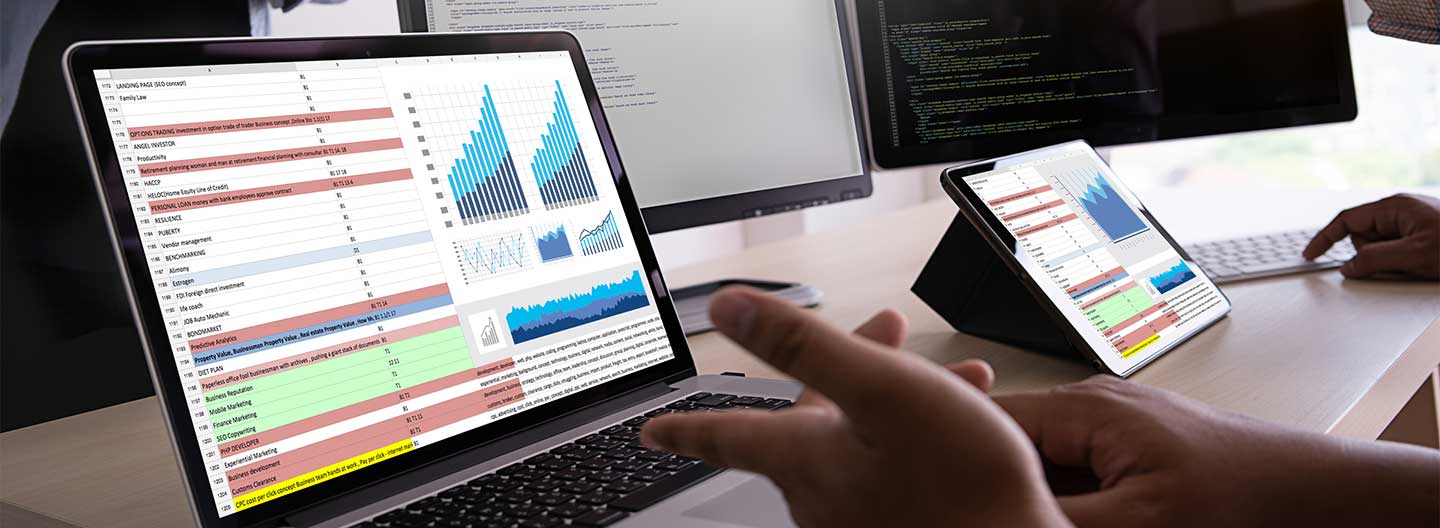
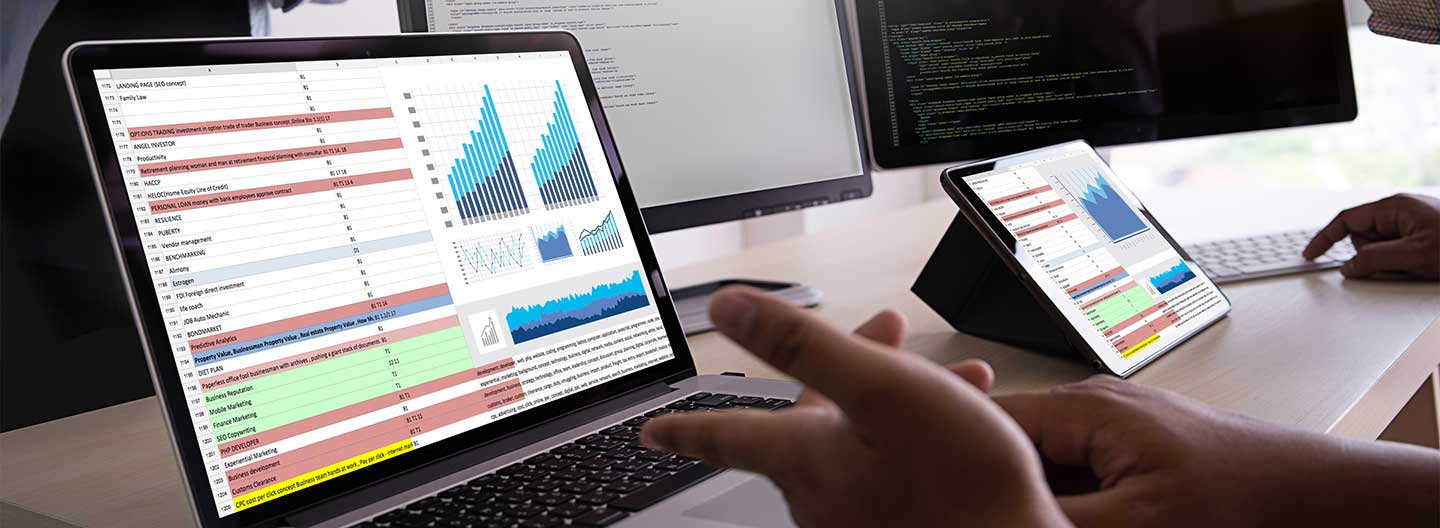
Data analytics tools gather and visualize data in order to make it meaningful. See four different options and what might make them your best choice.
Data Commons is a collection of public datasets organized into one searchable repository. Find out how to help make it a resource for civil society
Email automation is setting messages to automatically be sent to certain segments of an email list. Find out how it can free up your time and attention.
By making the most of Google Analytics, you can learn more about the potential supporters who use your website and encourage them to get involved.
For in-depth training around data analytics in the nonprofit space, check out our series of courses on the topic, including the new Data Analytics 301.
Key performance indicators show how effective a nonprofit website is at driving donations, volunteer sign-ups, awareness, or other organizational goals.
Find step-by-step instructions to connect your site to Google Analytics and get some suggestions for metrics to track to gain insights into your website.
Next year, Google will retire Universal Analytics, taking with it any stored data, and replace it with Google Analytics 4. Learn what you need to do.